What is an IP stresser?
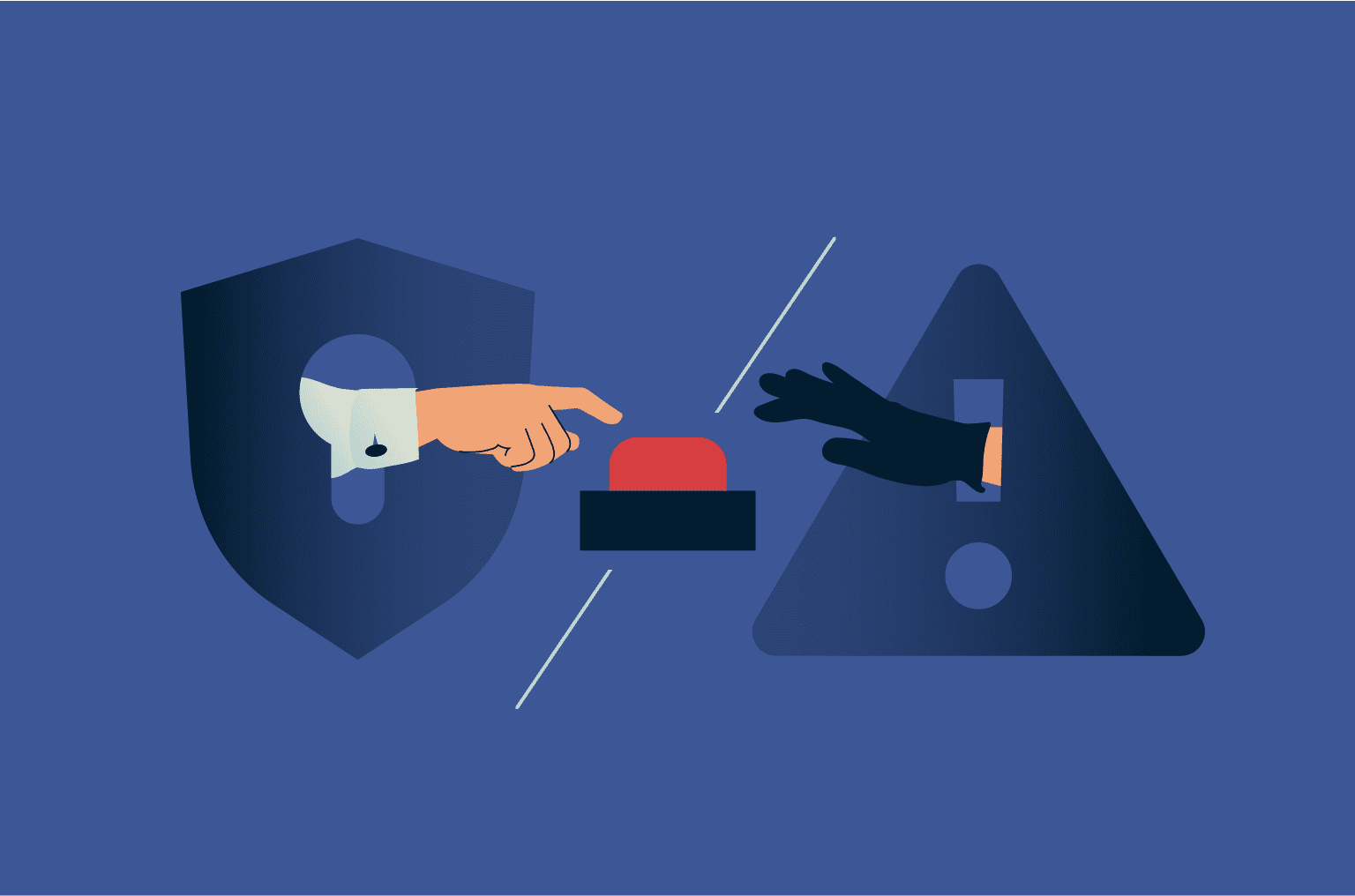
An IP stresser is a tool developed to evaluate a network or web server for robustness. The manager may run a stress test in order to identify whether the existing resources (data transfer, CPU, etc) suffice to take care of additional load.
Examining one’s very own network or web server is a legitimate use of a stresser. Running it against another person’s network or web server, leading to denial-of-service to their reputable customers, is illegal in a lot of nations.
What are booter services?
Booters, additionally referred to as booter services, are on-demand DDoS (Distributed-Denial-of-Service) attack solutions supplied by resourceful bad guys in order to lower websites and networks. To put it simply, booters are the invalid use IP stressers.
Unlawful IP stressers typically cover the identification of the attacking server by use of proxy servers. The proxy reroutes the assailant’s connection while masking the IP address of the assailant.
Booters are slickly packaged as SaaS (Software-as-a-Service), frequently with e-mail support and YouTube tutorials. Packages may provide an one-time solution, multiple assaults within a defined period, or perhaps life time access. A basic, one-month package can set you back just $19.99. Repayment options may include credit cards, Skrill, PayPal or Bitcoin (though PayPal will terminate accounts if destructive intent can be verified).
How are IP booters different from botnets?
A botnet is a network of computers whose proprietors are unaware that their computers have actually been contaminated with malware and are being made use of in Net attacks. Booters are DDoS-for-hire services.
Booters typically used botnets to launch assaults, however as they obtain much more advanced, they are taking pride in more powerful servers to, as some booter solutions placed it, help you introduce your assault.read about it stresser from Our Articles
What are the motivations behind denial-of-service attacks?
The motivations behind denial-of-service attacks are numerous: skiddies * expanding their hacking skills, company competitions, ideological conflicts, government-sponsored terrorism, or extortion. PayPal and bank card are the recommended approaches of settlement for extortion assaults. Bitcoin is also in operation is due to the fact that it offers the ability to disguise identification. One disadvantage of Bitcoin, from the enemies’ point of view, is that less people make use of bitcoins contrasted to various other types of payment.
* Manuscript kid, or skiddie, is a derogatory term for relatively low-skilled Web vandals that utilize manuscripts or programs written by others in order to introduce attacks on networks or websites. They pursue relatively widely known and easy-to-exploit safety and security susceptabilities, typically without taking into consideration the repercussions.
What are boosting and representation assaults?
Reflection and boosting attacks take advantage of genuine traffic in order to bewilder the network or server being targeted.
When an opponent builds the IP address of the target and sends out a message to a 3rd party while claiming to be the target, it is called IP address spoofing. The third party has no other way of differentiating the victim’s IP address from that of the opponent. It replies directly to the victim. The attacker’s IP address is hidden from both the sufferer and the third-party server. This procedure is called representation.
This is akin to the assailant ordering pizzas to the target’s house while making believe to be the sufferer. Now the target winds up owing money to the pizza location for a pizza they really did not order.
Traffic boosting happens when the assaulter compels the third-party web server to return feedbacks to the target with as much information as possible. The ratio between the dimensions of reaction and request is called the boosting aspect. The higher this boosting, the higher the potential disruption to the target. The third-party server is also disrupted due to the volume of spoofed demands it has to process. NTP Boosting is one example of such an assault.
The most effective types of booter assaults utilize both amplification and representation. First, the assaulter fabricates the target’s address and sends a message to a third party. When the 3rd party replies, the message mosts likely to the fabricated address of target. The reply is a lot bigger than the original message, consequently enhancing the size of the assault.
The function of a single robot in such a strike belongs to that of a destructive young adult calling a dining establishment and buying the whole food selection, then requesting a callback confirming every item on the menu. Except, the callback number is that of the target’s. This causes the targeted victim getting a phone call from the restaurant with a flooding of information they really did not demand.
What are the categories of denial-of-service assaults?
Application Layer Strikes pursue web applications, and frequently use the most class. These strikes make use of a weakness in the Layer 7 procedure pile by first developing a link with the target, then wearing down web server resources by taking over procedures and transactions. These are tough to determine and alleviate. A common instance is a HTTP Flooding strike.
Procedure Based Attacks concentrate on exploiting a weak point in Layers 3 or 4 of the procedure pile. Such strikes consume all the processing ability of the victim or other critical sources (a firewall software, for example), leading to service disturbance. Syn Flooding and Ping of Death are some examples.
Volumetric Attacks send out high volumes of traffic in an effort to fill a sufferer’s data transfer. Volumetric attacks are very easy to generate by employing simple boosting techniques, so these are the most usual types of assault. UDP Flooding, TCP Flooding, NTP Amplification and DNS Boosting are some examples.
What are common denial-of-service strikes?
The goal of DoS or DDoS attacks is to take in adequate server or network sources to make sure that the system comes to be less competent to legit demands:
- SYN Flooding: A sequence of SYN demands is directed to the target’s system in an effort to overwhelm it. This assault manipulates weaknesses in the TCP link sequence, called a three-way handshake.
- HTTP Flooding: A kind of strike in which HTTP GET or POST requests are used to attack the internet server.
- UDP Flooding: A type of strike in which random ports on the target are overwhelmed by IP packets having UDP datagrams.
- Sound of Death: Attacks entail the deliberate sending of IP packages larger than those enabled by the IP method. TCP/IP fragmentation deals with large packets by damaging them down right into smaller sized IP packages. If the packages, when put together, are larger than the allowed 65,536 bytes, tradition servers commonly collapse. This has largely been repaired in more recent systems. Sound flooding is the contemporary incarnation of this attack.
- ICMP Protocol Strikes: Strikes on the ICMP protocol benefit from the truth that each demand calls for handling by the web server before a response is sent back. Smurf strike, ICMP flooding, and ping flooding take advantage of this by inundating the server with ICMP requests without waiting for the response.
- Slowloris: Developed by Robert ‘RSnake’ Hansen, this assault attempts to keep numerous links to the target internet server open, and for as long as feasible. At some point, added connection efforts from clients will certainly be rejected.
- DNS Flood: The assaulter floodings a particular domain name’s DNS web servers in an attempt to disrupt DNS resolution for that domain
- Drop Strike: The attack that includes sending out fragmented packets to the targeted gadget. A bug in the TCP/IP method prevents the web server from rebuilding such packets, creating the packets to overlap. The targeted tool collisions.
- DNS Boosting: This reflection-based strike turns genuine demands to DNS (domain name system) servers right into much larger ones, in the process taking in server resources.
- NTP Amplification: A reflection-based volumetric DDoS strike in which an attacker exploits a Network Time Procedure (NTP) server functionality in order to bewilder a targeted network or web server with a magnified quantity of UDP web traffic.
- SNMP Reflection: The enemy builds the victim’s IP address and blasts numerous Simple Network Monitoring Protocol (SNMP) requests to gadgets. The volume of replies can overwhelm the victim.
- SSDP: An SSDP (Easy Service Exploration Method) assault is a reflection-based DDoS assault that exploits Universal Plug and Play (UPnP) networking procedures in order to send a magnified amount of traffic to a targeted target.
- Smurf Assault: This strike utilizes a malware program called smurf. Multitudes of Net Control Message Protocol (ICMP) packages with the target’s spoofed IP address are relayed to a local area network making use of an IP program address.
- Fraggle Strike: An assault comparable to smurf, except it uses UDP rather than ICMP.
What should be done in case of a DDoS extortion assault?
- The data center and ISP need to be promptly informed
- Ransom money repayment need to never be an option – a repayment often causes escalating ransom demands
- Police should be notified
- Network website traffic ought to be kept an eye on
- Reach out to DDoS defense plans, such as Cloudflare’s free-of-charge strategy
Just how can botnet strikes be minimized?
- Firewall softwares should be mounted on the web server
- Protection patches need to depend on day
- Anti-virus software application must be run on timetable
- System logs ought to be routinely kept an eye on
- Unknown e-mail web servers ought to not be permitted to disperse SMTP website traffic
Why are booter services hard to map?
The person getting these criminal services makes use of a frontend site for payment, and directions associating with the attack. Really typically there is no identifiable connection to the backend launching the actual strike. For that reason, criminal intent can be hard to verify. Adhering to the settlement path is one way to find criminal entities.